
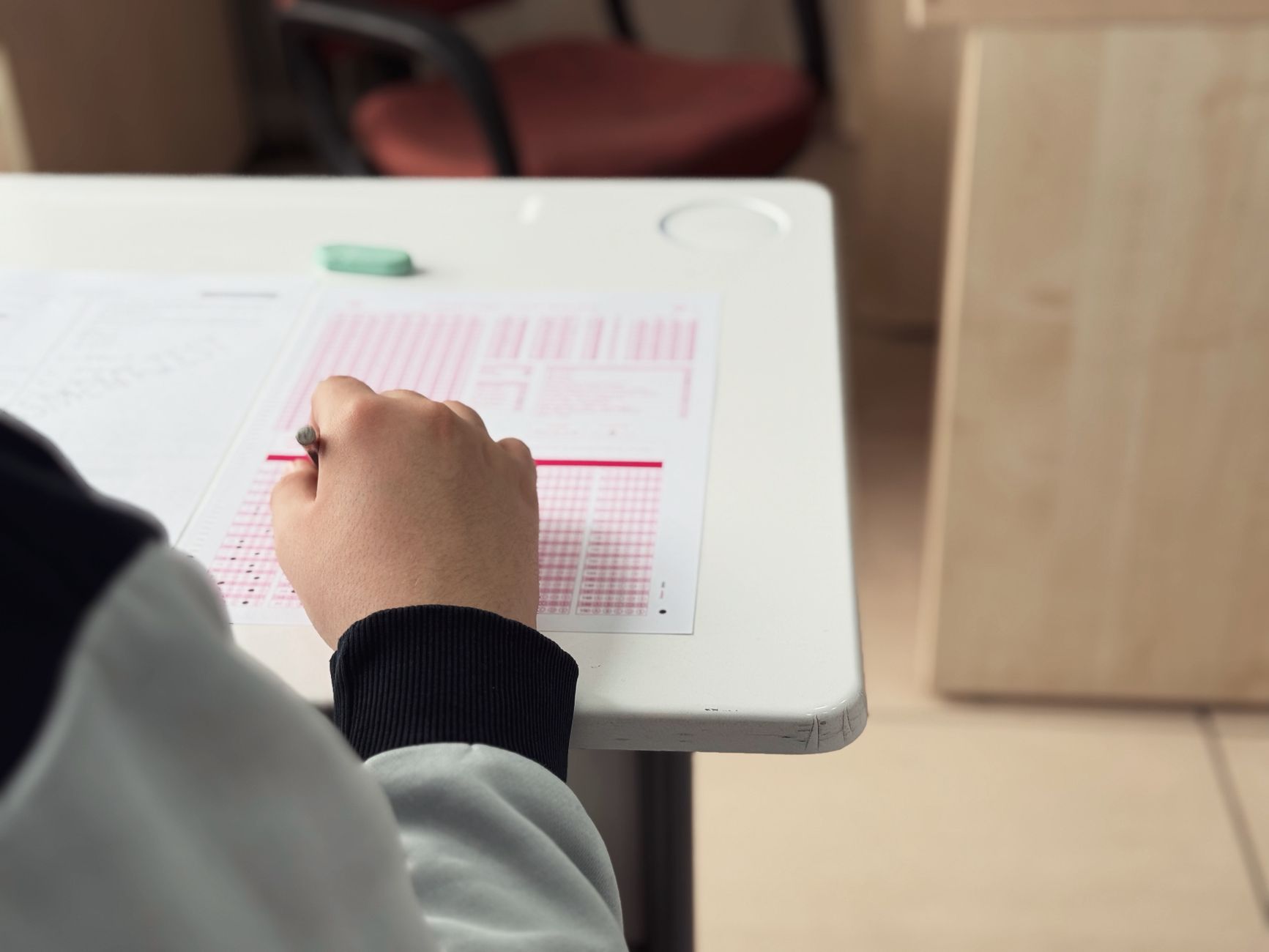
Exam week is easier to navigate when your plan covers both what you need to practise and what you need to have ready. Knowing a topic is only part of the task. You also need to arrive at the right place, understand the exam instructions, and have enough attention left to use what you know. Build your routine around those connected needs, rather than treating preparation as something to squeeze in after studying.
Give each exam its own working plan
Start with the information you can confirm from your course materials and official exam instructions. Note the day, start time, location or online access route, permitted materials, and any submission requirements. Check whether you need identification, particular equipment, or an approved calculator. Keep these details together so that you are not searching through messages while trying to revise.
Beside those practical details, write a short description of the work the exam will ask you to do. You might need to solve unfamiliar problems, explain an argument, interpret a passage, or recall terminology accurately. This description gives your practice a purpose. A subject name alone does not tell you how to spend a study session.
Then identify your main uncertainty for that exam. Perhaps you understand the methods but struggle to choose between them, or you know the content but cannot organise an answer quickly. Pair that uncertainty with a practical task: practise choosing methods, then check the calculator rules; outline an argument, then pack the permitted texts.
Let a small attempt reveal the next priority
Before filling your week with revision sessions, try a representative question using only the help you would have in the exam. Use course exercises, authorised practice papers, or questions supplied by your teacher. The aim is to discover where your answer breaks down, rather than to produce a reassuring score.
Look closely at the cause of each difficulty. A missing fact calls for different work from a misunderstood instruction. If you could explain the idea aloud but could not write a clear response, more reading may not solve the problem. You need practice turning that explanation into an answer.
- For a recall gap, close your notes and retrieve the relevant ideas before checking them.
- For a method gap, work through an example, explain the choices involved, and attempt a similar question independently.
- For an interpretation gap, identify what the question asks and what evidence would satisfy it.
- For an organisation gap, practise an outline before developing the full response.
Keep a brief error record in ordinary language. “I used the wrong condition when choosing the formula” is more useful than “bad at this chapter.” Turn each entry into something you can attempt again. When you return to it, check whether you can now do the task without following the previous solution.
Build sessions that end with something ready
Give each study session a clear practice outcome and a practical finishing task. For example, you could work on explaining a difficult concept, check your explanation against the course material, and then put your identification with your exam supplies. This makes preparation part of the routine instead of a separate job that keeps being postponed.
Choose an outcome small enough to judge. “Revise biology” leaves you guessing whether you have done enough. “Explain how these processes differ without looking at my notes” gives you a visible result. You can assess it, correct it, and decide what deserves attention next.
At the end of the session, leave a short instruction for your next visit to the subject. Name the question to retry or the point to clarify. This reduces the effort of restarting, especially when you are switching between subjects. Finish by completing the practical task you paired with the session, such as confirming the room or checking that a required device charges properly.
Balance urgency with the demands of the task
Your nearest exam usually needs attention, but it should not absorb every available session. Look ahead for later exams that require more rebuilding or a different kind of performance. A difficult subject may need repeated contact across the week, even while another exam is approaching.
Place demanding practice where it fits your actual day. If work, caring responsibilities, or travel leave you tired in the evening, use that period for a lighter review or a practical check. Save a more alert period for solving problems or producing answers from memory. A realistic plan is more useful than an impressive schedule you cannot follow.
Leave some space unassigned. A confusing topic, a delayed journey, or ordinary fatigue can change what is possible. When a session slips, select the most useful remaining task rather than trying to compress everything into the next evening. Protect the preparation that allows you to attend and complete the exam.
Use exam conditions to test your approach
Some practice should resemble the conditions you expect to face. Put away unavailable resources, use the permitted tools, and work with the relevant question format. If the exam has a stated time limit, practise deciding how to divide your attention within it. You do not need to recreate an entire exam every time to learn from these constraints.
Review how you worked as well as what you answered. Did you spend too long polishing an opening? Did you miss an instruction? Did you keep working on a problem after you had stopped making progress? Choose a specific adjustment for the next attempt, such as checking the question requirements before writing.
For an online exam, include a check of the official access and submission process. Confirm the required software, file format, and any permitted technical test. Keep the official support route accessible. Resolve uncertainties through the institution’s guidance while there is still time to ask for help.
Make the evening before a handover
The evening before an exam should bring your work into a usable state. Review the error record, retrieve the ideas most likely to slip, and check a representative task if needed. Avoid letting an unexpectedly difficult question turn the whole evening into an attempt to relearn the course.
Prepare what the morning will require. Pack permitted materials, check the route, set an appropriate alarm, and arrange food or other everyday essentials. For a home exam, clear the workspace and prepare the equipment. Follow any rules about items that must be removed from the room or desk.
Choose a stopping point that leaves room for your normal sleep routine. If worries keep generating new tasks, write down the unresolved point and decide whether it needs action before the exam. A short, specific note is easier to handle than repeatedly reopening every set of notes.
Carry the routine through exam day
Use the morning for a familiar, bounded review if that helps you settle. Revisit a useful prompt or an explanation you have already practised. Check your supplies and access details before leaving or logging in. Allow space for the practical steps required by your exam instructions, including arrival or sign-in procedures.
After the exam, give yourself a break before moving to the next subject. If something needs follow-up, such as a submission concern, record it and use the appropriate official channel. Otherwise, bring your attention back to the next working plan. Choose a targeted practice task, complete its paired preparation task, and leave a clear starting point for tomorrow.