
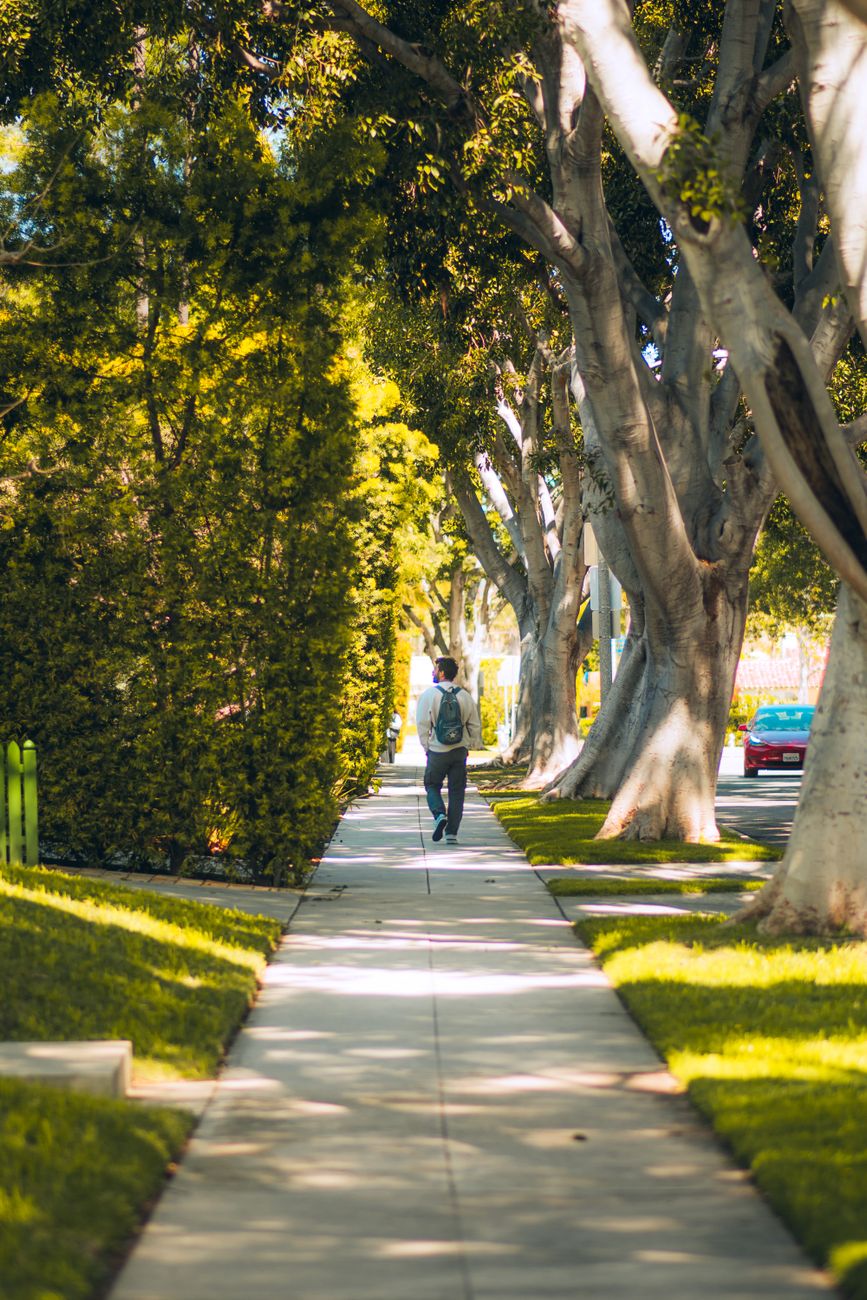
A walking commute can look easy when you picture an empty pavement and a light bag. An ordinary workday adds crossing delays, something to carry, and weather that may change before you head home. The useful question is whether the walk fits your actual day. A small trial can help you find a version that feels repeatable, including on mornings when leaving the house takes longer than expected.
Start with the day you actually have
Choose a familiar workday for your first trial. Avoid building the plan around an unusually quiet morning when someone else handles your usual responsibilities. Think through everything between getting up and being ready to work: breakfast, caring for someone, collecting your bag, locking up, arriving, and settling in. Walking needs to fit between those tasks without making the rest of the morning feel like a race.
Decide what a successful arrival means. Reaching the building is different from reaching your desk ready for a meeting. You may need to store a coat, change shoes, cool down, or put lunch away. Work backward from the moment you need to be ready, leaving some breathing room for those small jobs. If the departure time makes your morning unworkable, that is useful information before you commit.
Try the route before you depend on it
A route that looks direct on a map may feel awkward on foot. Where practical, explore it on a day when arriving on time is less important. Look for continuous pavements, comfortable crossings, lighting, and entrances you can actually use. A quieter side street may be pleasant, but consider how it feels when shops are closed or daylight is fading.
Then test the route at something close to your normal commuting time. School traffic, busy junctions, and queues at crossings can change the experience. Walk at a pace you could maintain while carrying your work bag and having an ordinary morning. There is little value in setting a trial time by hurrying the whole way if you would dislike doing that regularly.
Notice where you naturally slow down and where the route demands attention. Steep stretches, uneven surfaces, and exposed sections matter as much as distance. Choose crossings and paths that let you travel comfortably, even if they make the walk less direct. If a section feels unsuitable, look for another way before treating the route as settled.
Measure the whole trip, including the edges
Record when you leave home and when you are ready to begin work. You can also note your arrival at the building, so you can see how much time settling in takes. A simple clock check is enough; you do not need a fitness app or a detailed log. What matters is capturing the parts of the journey that are easy to leave out of an estimate.
Repeat the walk on another ordinary day before relying on your first result. Your useful planning time is a comfortable allowance that accounts for normal interruptions. If you repeatedly arrive flustered, try leaving earlier or shortening the walking portion. Do not assume you will eventually learn to rush more efficiently.
Test the journey home as well. You may feel less energetic, carry groceries, or need to collect someone on the way. A morning walk can fit beautifully while the return journey clashes with dinner or other commitments. Treat the two directions as separate decisions rather than assuming they must match.
Make your bag part of the trial
Carry what you would really take to work. A pleasant practice walk with empty hands does not tell you how a laptop, lunch, and spare clothing will feel. Before leaving, empty your bag and put back only what the day requires. Check for items that travel back and forth without being used, such as spare cables or paperwork that could stay in one place.
Where your workplace permits it, keep useful items there. Work shoes, a spare layer, or everyday toiletries may save repeated carrying. Make sure shared storage is appropriate and that anything you leave is secure. If you need specialist equipment or a heavy load on certain days, those may be better days for another form of transport.
Use a bag that stays stable and feels comfortable with your actual load. Adjust it before the walk, then pay attention to slipping straps, pressure, or the need to keep changing hands. Keep essentials accessible so you do not have to unpack on the pavement. If the bag becomes distracting or uncomfortable, reduce the load or change the setup before extending the routine.
Prepare for arrival without packing your wardrobe
Choose clothing and footwear you already find comfortable for walking. Consider the conditions underfoot and how warm you become while moving. Your work outfit may be suitable as it is, or you may prefer to change a layer when you arrive. Try the simplest arrangement first rather than buying equipment before you know what problem needs solving.
Check what your workplace actually offers. A place to hang a damp coat or store walking shoes may matter more than you expected. If changing facilities are limited, allow time for a basic refresh and choose a pace that suits you. The goal is to arrive feeling prepared for your day, without carrying a collection of things you rarely need.
Decide on the weather backup in advance
Make a backup plan while you are comfortable at home. Identify an alternative you can realistically use, such as public transport, a shared ride arranged in advance, or your usual travel method. Check what you need to make it work: access to a ticket, a charged phone, or enough time to reach a stop. A backup is only useful if it is available when you need it.
Think about both ends of the day when checking the forecast. A dry morning does not settle the return journey. Carry weather protection that suits the likely conditions and fits your bag, but give yourself permission to change plans. Poor visibility, slippery surfaces, excessive heat, or severe weather are reasons to reconsider the trip rather than prove your commitment.
Choose a clear point for making the morning decision, before you are already late. Also work out what happens if conditions change at work. You might leave walking shoes there and travel home another way. Keeping that option straightforward helps prevent an inconvenient forecast from turning into an evening problem.
Keep the version that works on ordinary days
After several trials, review what caused friction. Was departure too early? Did your bag feel heavy? Was the return journey the difficult part? Change the specific problem instead of abandoning the idea or forcing the original plan. You could walk in one direction, choose days with lighter loads, or walk part of the journey alongside another travel option.
Build the routine around a few simple preparations: put your bag together, check the conditions, and decide how you will get home. Leave room for appointments, tired days, and changing responsibilities. A walking commute earns its place when it fits your everyday life well enough to repeat, with a practical alternative ready whenever the day calls for one.