
A volunteer role can sound ideal until it collides with your working hours, travel time, or need for a quiet evening. Finding something you can keep doing starts with a practical question: where could you be reliably useful within the life you already have? Your interests matter, but so do the bus journey, the lifting involved, and how you feel after a busy day.
Start with the time you can actually offer
Look at an ordinary stretch of your schedule, including work, care responsibilities, errands, and rest. Notice where you have dependable space, rather than where you occasionally get lucky. A free afternoon during an unusually quiet week is different from a regular opening you can protect.
Think about your energy as well as your availability. You might be technically free after work but have little patience left for a busy public setting. A weekend task outdoors could suit you better. Alternatively, a short weekday session near home might be easier to maintain than giving up a large part of your weekend.
Include the whole commitment when deciding what fits. Getting ready, travelling, receiving instructions, and returning home all belong in your estimate. Ask whether a shift usually finishes on time or whether clearing up is part of the expectation. Leave some breathing room so that helping does not depend on everything else going perfectly.
Choose work you would like doing on an ordinary day
Supporting a cause and enjoying its everyday tasks are related, but they are not the same thing. You may care deeply about reducing waste while disliking crowded collection events. Sorting donated items behind the scenes might be a better match. Someone who enjoys conversation might prefer welcoming visitors to working through a pile of paperwork.
Describe your interests as activities rather than broad causes. This makes it easier to recognise a suitable role when you hear about it.
- If you like making things orderly, look for sorting, labelling, setting up rooms, or keeping shared supplies organised.
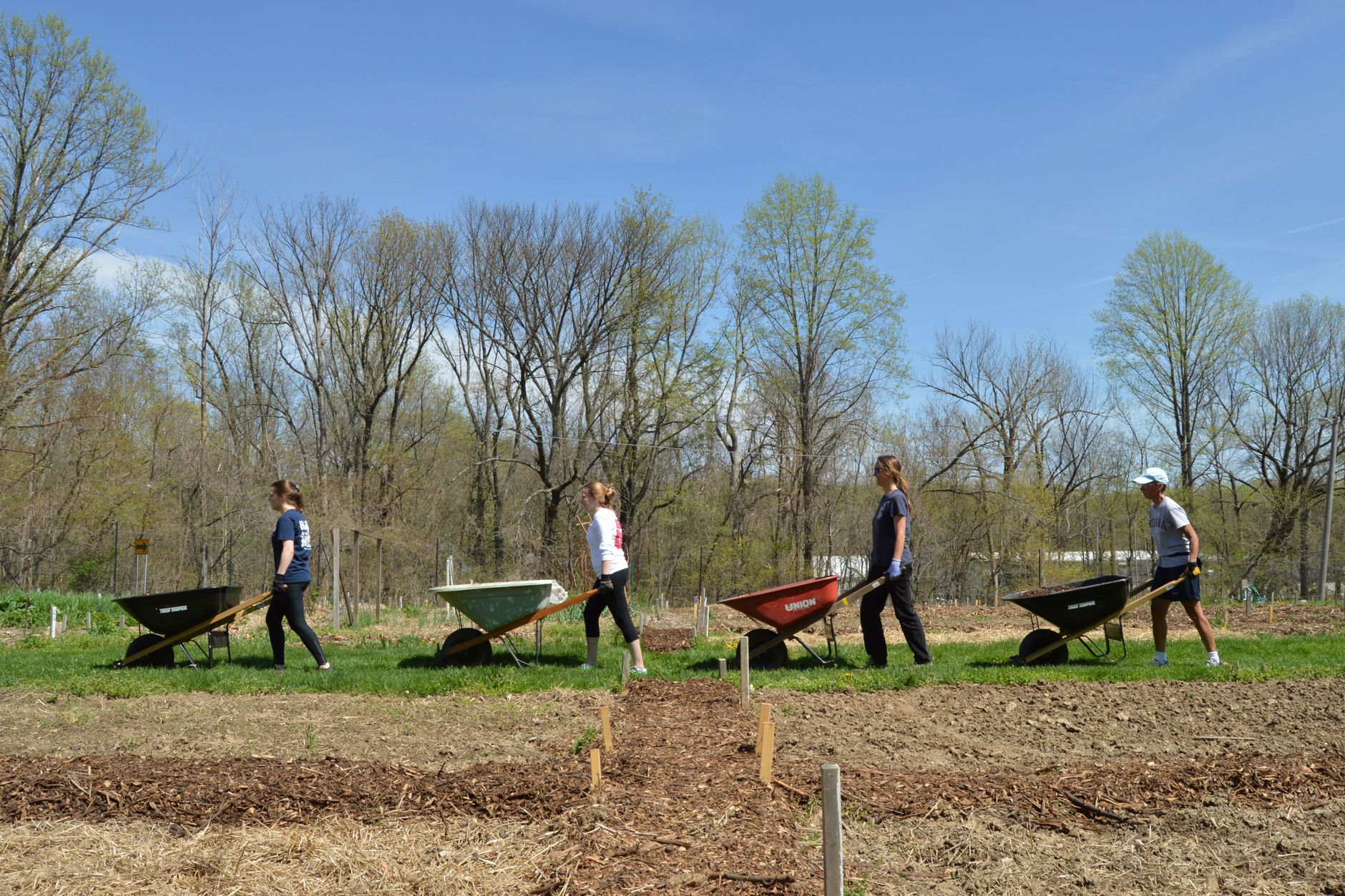
- If you enjoy practical outdoor work, ask about community gardening, path care, or supervised neighbourhood clean-ups.
- If you prefer helping people directly, explore welcoming, reading support, or assisting at community activities.
- If you enjoy quiet, focused work, ask about preparing materials, checking information, or helping with routine administration.
You do not need to turn a professional skill into another job. Using a familiar skill can feel satisfying, but volunteering can also give you a welcome change. Be honest about whether you want to practise something you already know or learn something different with support.
Look nearby and ask about the actual tasks
Start with places you already pass or use: a library, community centre, neighbourhood garden, local charity shop, or residents’ group. Look at noticeboards and ask staff or organisers who handles volunteer enquiries. A convenient location reduces the effort required to show up, especially when the weather is unpleasant or your day has been tiring.
Keep your first enquiry specific. Explain the kind of work you enjoy, when you are usually available, and any firm limits. For example: “I live nearby and would like to help with practical tasks during the day. I can manage occasional sessions, but I cannot promise a regular weekly shift. Is there anything suitable?”
A role description gives you a starting point, but a conversation often reveals what the work involves. Ask what you would do during a typical session, who would guide you, and which parts tend to be demanding. “Helping at events” could mean greeting neighbours, carrying equipment, handling bookings, or staying until everything is packed away.
Check the arrangements before saying yes
A clear conversation protects both you and the people relying on you. You are checking whether the arrangement is workable, not asking for special treatment. An organiser also benefits from knowing what you can consistently offer.
- Is attendance regular, flexible, or agreed separately for each activity?
- How much notice is needed if you cannot attend, and whom should you contact?
- What training, introductory sessions, or checks are required before you begin?
- Does the task involve standing, lifting, stairs, outdoor conditions, or sustained conversation?
- Are there travel or equipment expenses, and how does any reimbursement work?
- Who can help if you are unsure about a task or encounter a problem?
Raise access needs and practical limits early. You might need a seated task, clear written instructions, an accessible entrance, or a predictable finishing time. Ask what can be arranged rather than assuming a role will or will not work for you.
For work involving children, personal information, money, or people who need additional support, ask about the relevant procedures and supervision. Be prepared for an introduction or checks before taking responsibility. A suitable role should come with clear boundaries about what you may do and when to involve the organiser.
Use a trial to test the fit
If the organisation allows it, agree to an introductory session or a short trial before making an ongoing commitment. Clarify whether you are observing, helping under supervision, or filling a normal shift. Some roles need substantial preparation, so ask what a realistic introduction looks like before expecting to try the work immediately.
During the session, notice more than whether you liked the cause. Could you hear and understand instructions? Was someone available when you had a question? Did the pace suit you? Think about the journey home and how much recovery you needed afterwards, too.
Then compare the experience with your original limits. Enjoying a session does not automatically mean you can repeat it regularly. Equally, feeling unfamiliar or slightly awkward at first does not necessarily mean the role is wrong. Distinguish a normal learning curve from a persistent mismatch in hours, demands, or support.
Make a small, clear commitment
Once you find a promising role, agree on an arrangement you can describe plainly: the task, the usual timing, how attendance is confirmed, and how to report an absence. Put it in your calendar along with the journey. Save the organiser’s contact details somewhere you can find them easily.
Resist adding responsibilities just because you are pleased to be useful. If someone asks you to stay longer or cover another task, check your schedule before answering. You can say, “I can finish what we agreed today, but I cannot stay afterwards.” Reliability grows from clear promises that you can keep.
If your availability changes often, an occasional role may be the better choice. Ask whether the group has tasks that can wait for a confirmed volunteer, rather than duties where someone must always be present. Flexibility works best when everyone understands what it means.
Adjust before the commitment becomes a strain
After you have settled in, consider whether the role still fits your week. Look for patterns: regularly rushing to arrive, feeling drained long afterwards, or repeatedly rearranging essential responsibilities. These are useful signals to discuss the arrangement.
You may be able to change tasks, attend less often, or move to a different session. Tell the organiser early if something needs to change, especially when others depend on your attendance. If you need to leave, give whatever notice you reasonably can and agree on any handover.
A sustainable neighbourhood role is one where your contribution helps and the commitment remains manageable. Choose work you can return to with enough time, energy, and interest to do it well. That gives both you and your neighbours something dependable to build on.